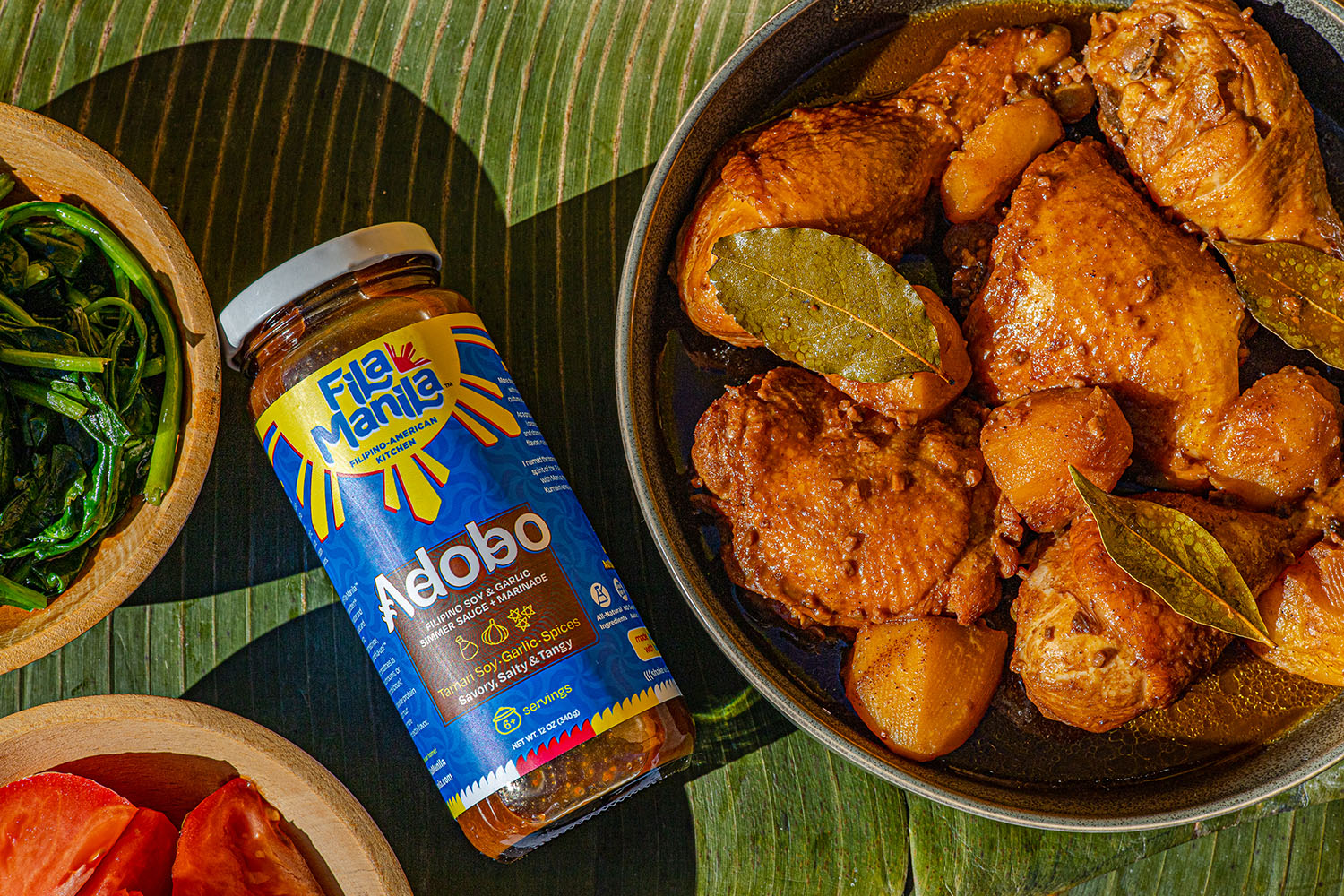
Filipino Chicken Adobo: The Unofficial National Dish of the Philippines Explained
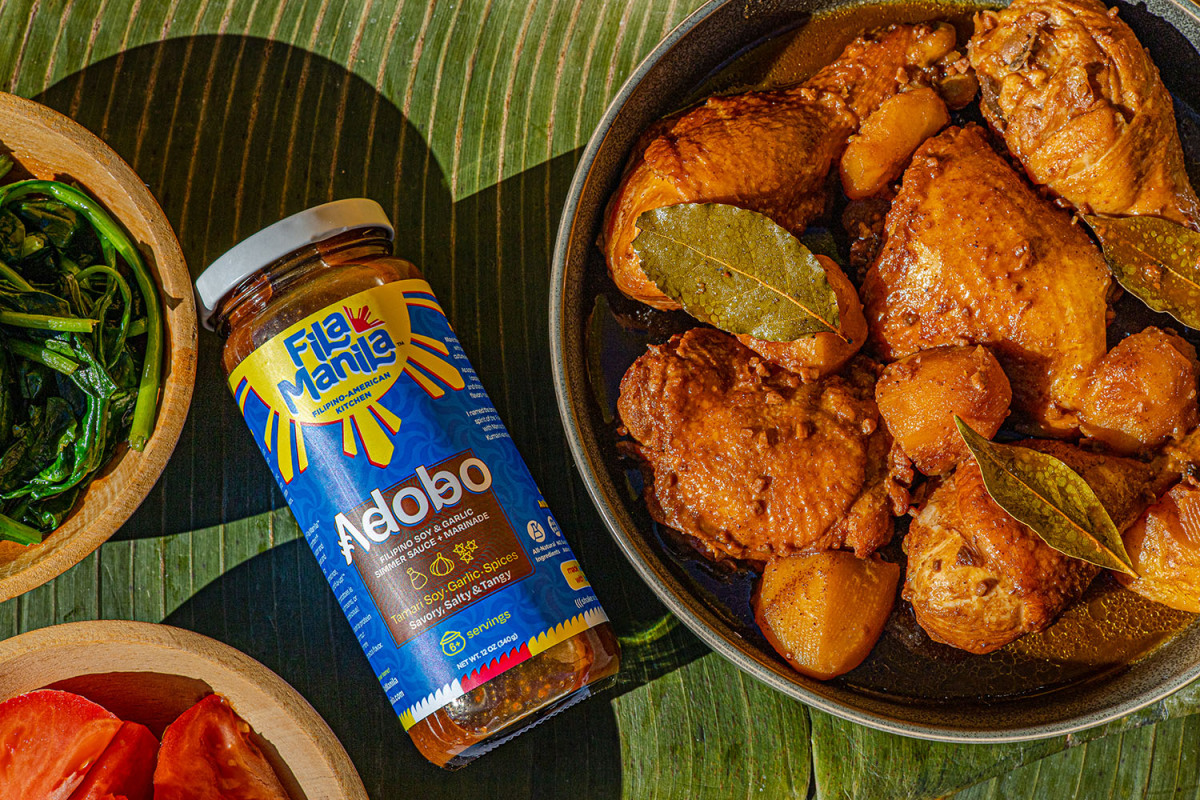
Step into any Filipino kitchen, and you're likely to be greeted by the rich, savory aroma of one particular dish: Adobo. While the Philippines doesn't have an officially declared national dish, Adobo is widely celebrated as the frontrunner. It’s a staple at family gatherings, potlucks, and everyday dinners. But what exactly is Adobo, and how did it capture the heart of a nation? Let’s explore the story behind this beloved Filipino classic.
What is Filipino Adobo?
At its core, Adobo is both a cooking method and a dish. The name comes from the Spanish word "adobar," which means "to marinate" or "to pickle." The technique involves stewing meat—most commonly chicken or pork—in a flavorful mixture of soy sauce, vinegar, garlic, bay leaves, and black peppercorns. This combination creates a perfect balance of savory, tangy, and aromatic notes that is uniquely Filipino.
The magic of Adobo lies in its simplicity and versatility. The ingredients are accessible, and the cooking process is straightforward. Yet, the resulting flavor is complex and deeply satisfying. The slow simmer tenderizes the meat until it practically melts in your mouth, while the sauce reduces into a rich, flavorful glaze. Typically served with a mountain of fluffy white rice, Adobo is the ultimate comfort food.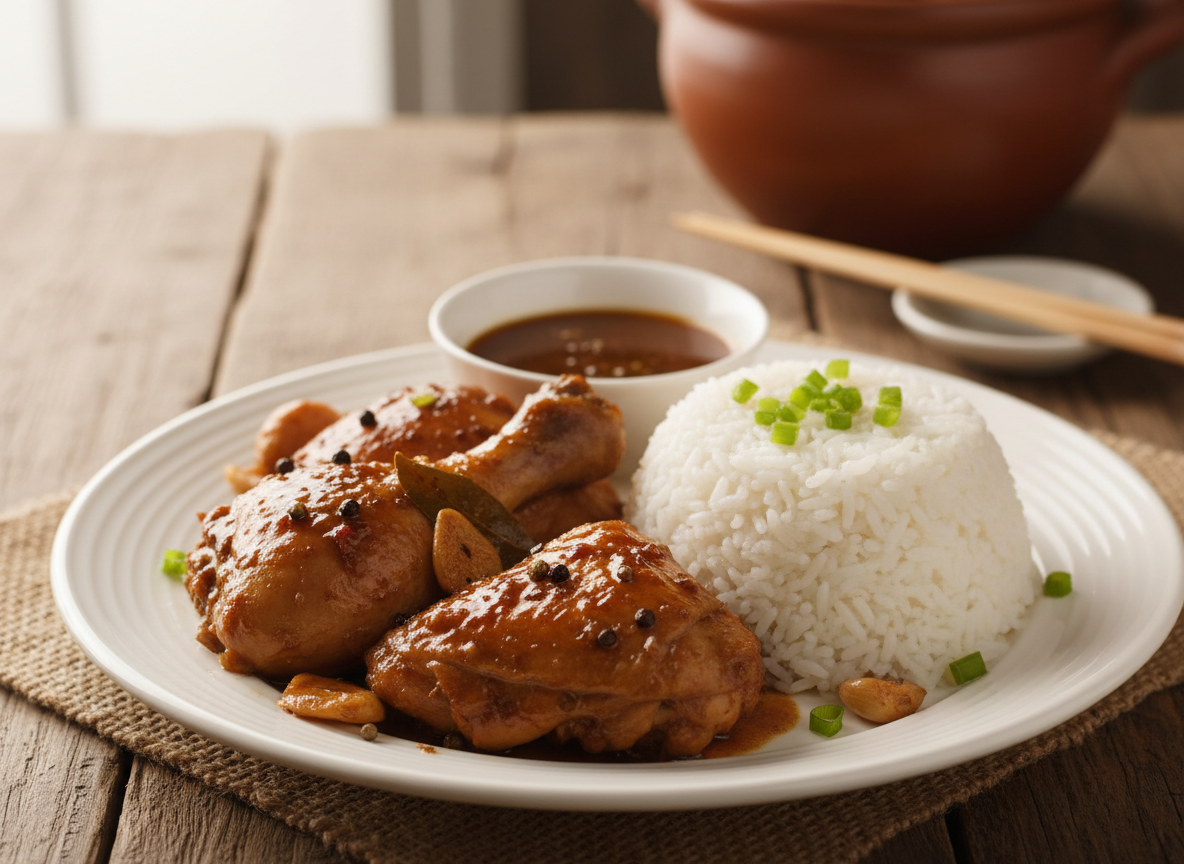
A Dish Forged by History
The origins of Adobo predate Spanish colonization. Early Filipinos used a mixture of vinegar and salt to preserve their food in the tropical climate. This indigenous preservation technique was a practical way to extend the life of fresh meat and seafood. When Spanish colonizers arrived in the 16th century, they observed this cooking method and called it "adobo" due to its resemblance to their own marinades.
Over time, the recipe evolved. Chinese traders introduced soy sauce (toyo), which added a deep, salty-savory flavor and a dark color to the dish. This ingredient eventually replaced salt in many regional variations. Other ingredients, like bay leaves and peppercorns, were also incorporated, adding layers of aroma and spice. This fusion of indigenous, Spanish, and Chinese influences is what makes Adobo a true reflection of the Philippines' multicultural history.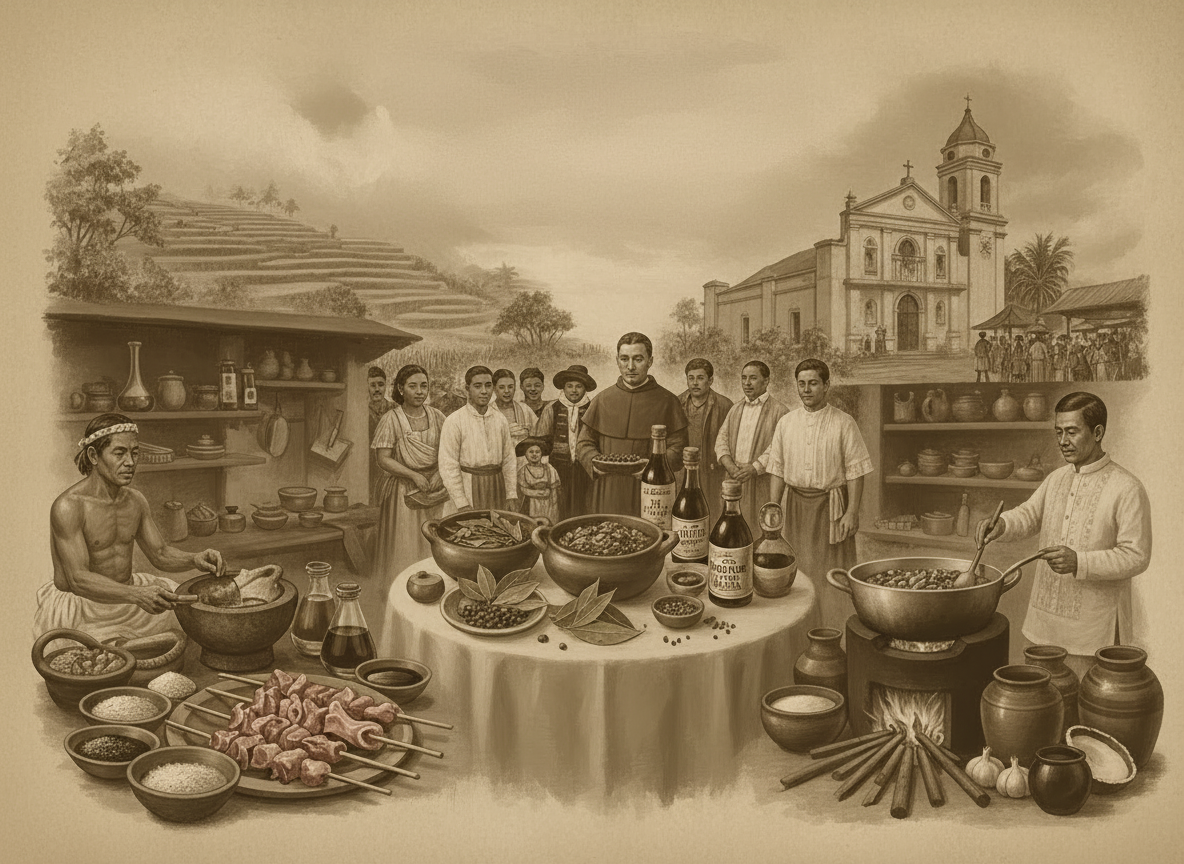
A Dish of a Thousand Islands, and a Thousand Recipes
One of the most fascinating things about Adobo is its incredible diversity. Travel across the 7,000+ islands of the Philippines, and you'll find that nearly every family, town, and province has its own unique version of the dish. There is no single "correct" way to cook Adobo; its beauty lies in its adaptability.
Some common variations include:
- Classic Chicken and Pork Adobo: This is perhaps the most well-known version, combining both chicken and pork for a mix of textures and flavors.
- Adobong Puti (White Adobo): Believed to be closer to the pre-colonial version, this variation omits soy sauce, relying solely on vinegar, garlic, and salt for its flavor. The result is a lighter-colored but equally tangy and delicious dish.
- Adobo sa Gata (Adobo with Coconut Milk): Popular in the Bicol region, this version adds coconut milk to the classic recipe. The coconut milk balances the tanginess of the vinegar and adds a creamy, luscious richness to the sauce.
- Spicy Adobo: For those who like a bit of heat, adding native chilies (siling labuyo) gives the dish a fiery kick.
- Seafood and Vegetable Adobo: The Adobo method isn't limited to meat. Squid (Adobong Pusit), water spinach (Adobong Kangkong), and green beans are also popular choices.
This endless adaptability is why so many Filipinos feel a personal connection to Adobo. The recipe is often passed down through generations, with each family adding its own special touch. It’s a dish that carries memories, traditions, and a sense of home.
Experience Authentic Adobo with Fila Manila
Craving the comforting taste of Adobo but don't have the time to make it from scratch? We get it. Achieving that perfect balance of flavors can be tricky, and simmering the dish to perfection takes patience. That's where Fila Manila comes in.
Fila Manila’s Filipino Adobo Simmer Sauce makes it incredibly easy to enjoy the authentic taste of this classic dish right in your own kitchen. Made with high-quality, clean-label ingredients, this sauce captures the traditional flavors you love without any artificial additives or preservatives. It’s crafted with real soy sauce, coconut vinegar, and a savory blend of garlic and spices to deliver that signature Adobo taste.
Why you'll love Fila Manila’s Filipino Adobo Simmer Sauce:
- Authentic Flavor: It’s a recipe that honors tradition, giving you a true taste of the Philippines.
- Convenience: Just simmer your favorite protein—like chicken, pork, or even tofu—in the sauce, and you'll have a delicious meal ready in minutes.
- Clean Ingredients: Fila Manila is committed to using wholesome ingredients. Their Adobo sauce is gluten-free, dairy-free, and vegan, so everyone can enjoy it.
With Fila Manila, you can bring the heart of Filipino cuisine to your dinner table any night of the week. It’s the perfect way to share a beloved cultural dish with your friends and family, or simply to treat yourself to a taste of home.
A Taste of Filipino Culture
Adobo is more than just a meal; it's a cultural symbol. It represents the resourcefulness of the Filipino people, the richness of their history, and the warmth of their hospitality. Whether cooked for a simple weeknight dinner or a grand fiesta, Adobo brings people together and tells a story of heritage in every savory bite. So the next time you're looking for a dish that is both delicious and meaningful, look no further than the unofficial national dish of the Philippines. What's more, you can now enjoy an instant version that's full of wholesome and delicious ingredients and NEVER any artificial colors, flavors, or preservatives with Fila Manila’s Filipino Adobo Simmer Sauce.