
Ube 101: Everything You Need to Know About the Purple Yam Taking Over Dessert
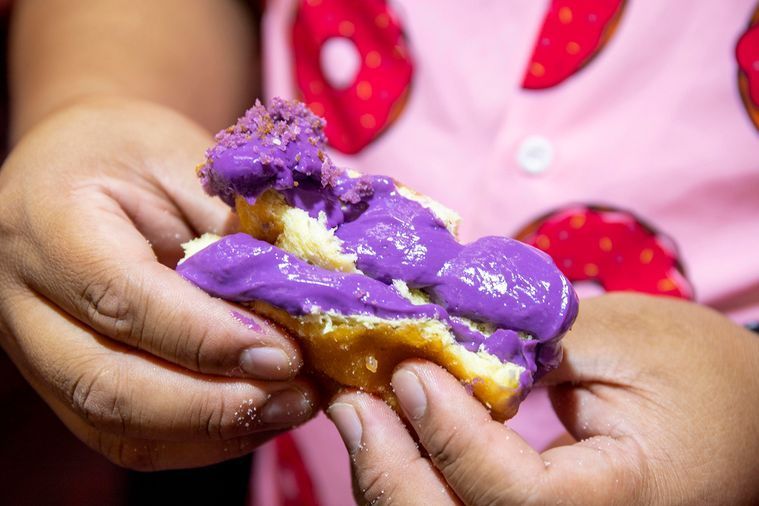
Walk down the aisle of your local Trader Joe’s or scroll through your Instagram feed, and you’re bound to spot it. It’s that vibrant, almost shocking shade of royal purple that stops you mid-scroll. It’s ube, and it has officially taken the dessert world by storm. But for many in the Filipino community, this isn't just a trendy ingredient for viral donuts or lattes—it's a taste of home, a staple of childhood fiestas, and a flavor that carries deep cultural significance.
If you’ve ever wondered what exactly this purple tuber is, or why people are lining up around the block for purple soft-serve, you’ve come to the right place. We're breaking down the basics of ube, from its roots in the Philippines to its nutritional perks, and exploring how one brand is bringing the authentic experience straight to your pantry.
What Exactly is Ube?
Pronounced ooh-beh, ube is a purple yam native to the Philippines. It is often confused with taro (a root vegetable that is white with purple specks) or purple sweet potatoes (like the Okinawan variety), but ube is distinct. Botanically known as Dioscorea alata, it has a rough, bark-like skin and a flesh that ranges from lavender to vivid violet.
Historically, ube has been a versatile crop in Southeast Asia because it's hardy and nutritious. But its rise to global fame has everything to do with its striking color and unique flavor profile. It’s nature’s way of saying, "Dessert should be fun."
One enthusiastic Reddit user, @filipinofoodie, summed it up perfectly: "Seeing ube go mainstream is wild. Growing up, it was just the jam my Lola made. Now it's in cheesecake in New York City."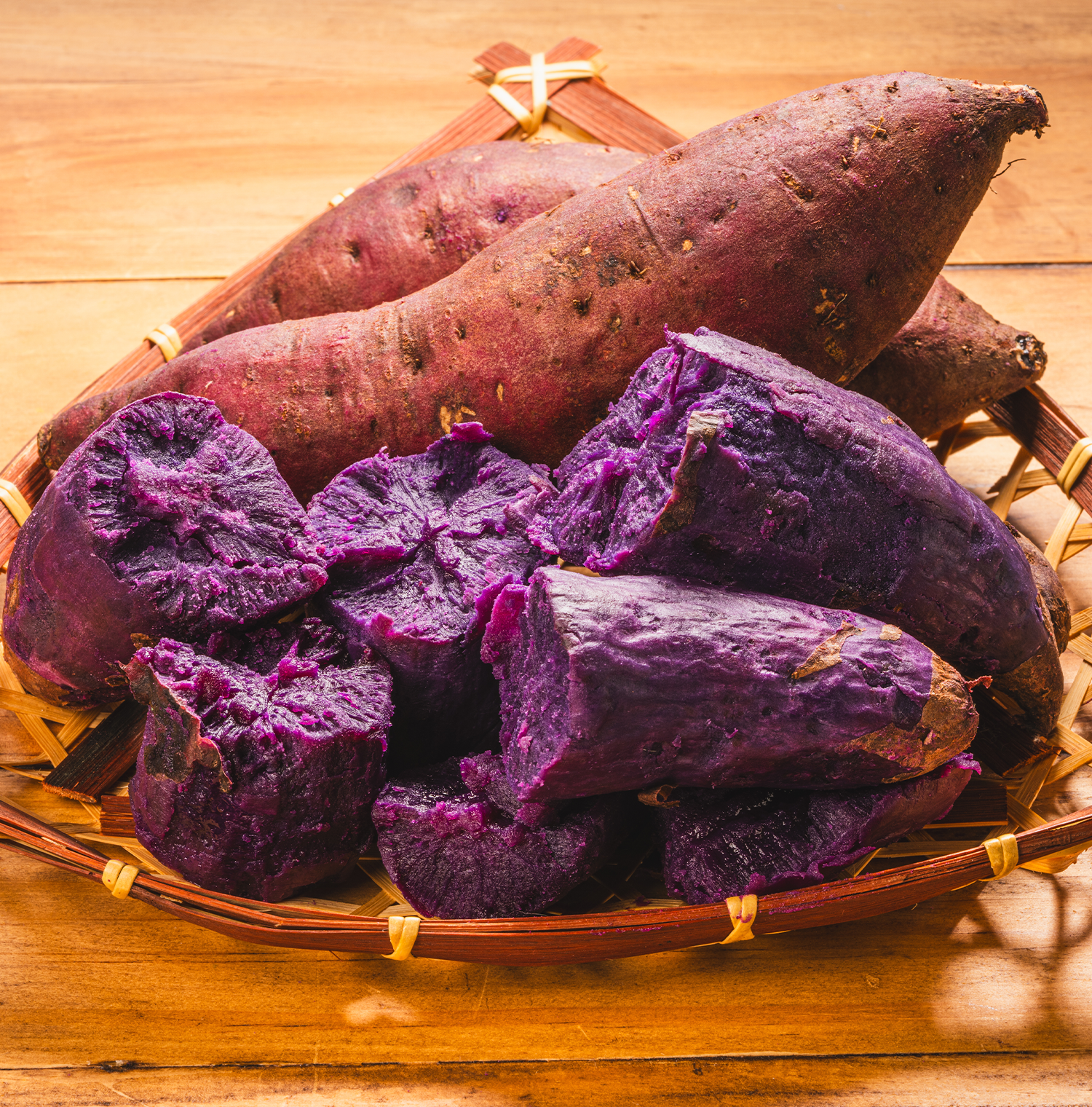
The Flavor Profile: What Does UBE Taste Like?
Describing the taste of ube can be tricky if you’ve never had it. It isn't savory like a russet potato, but it isn't overwhelmingly sweet on its own, either.
Think of it as a cross between vanilla and pistachio, with a mild, earthy sweetness similar to a sweet potato. It has nutty undertones that make it incredibly versatile. Because the flavor is gentle, ube pairs beautifully with rich ingredients like coconut milk, condensed milk, and butter. This is why it shines so brightly in desserts—it adds a depth of flavor that sugar alone just can't achieve.
Nutritional Benefits: A Sweet Treat with Perks
While we usually encounter ube in indulgent cakes and jams, the yam itself is actually quite good for you. Like many vibrant vegetables, that deep purple color indicates a high level of antioxidants, specifically anthocyanins.
Here are a few reasons why ube is a smart addition to your diet (in moderation, of course!):
- Antioxidant Powerhouse: Those anthocyanins help fight inflammation and protect your cells from damage.
- Rich in Fiber: Ube provides good dietary fiber, which aids in digestion and helps maintain a healthy gut.
- Vitamin Boost: It’s a solid source of Vitamin C and potassium, essential for immune health and blood pressure regulation.
So, when you’re enjoying that scoop of purple ice cream, you can tell yourself you’re getting your antioxidants in.
Traditional Uses in Filipino Cuisine
Before it was a donut filling, ube was the star of merienda (snack time) in the Philippines. Its most iconic form is Ube Halaya, a thick, creamy jam made by boiling mashed ube with condensed milk, evaporated milk, butter, and coconut milk. This jam is often eaten straight from the jar or used as a base for other desserts.
You’ll also find it in:
- Halo-Halo: The ultimate Filipino shaved ice dessert, usually topped with a generous dollop of ube halaya or ube ice cream.
- Ube Pandesal: A soft, fluffy bread roll that has become a morning staple.
- Kakanin: Various sticky rice cakes often flavored or topped with ube.
The preparation of traditional Ube Halaya is a labor of love. It requires constant stirring over low heat to prevent burning and to achieve that signature thick, glossy texture. It’s a communal activity in many households, with family members taking turns stirring the heavy pot.
Fila Manila’s Ube: The Real Deal
With ube’s popularity booming, store shelves are filling up with ube-flavored snacks. However, many of these products rely heavily on artificial dyes and flavorings rather than the yam itself. This is where Fila Manila is changing the narrative.
Fila Manila Ube & Coconut Spread stands out in a crowded market because of its commitment to authenticity and clean ingredients.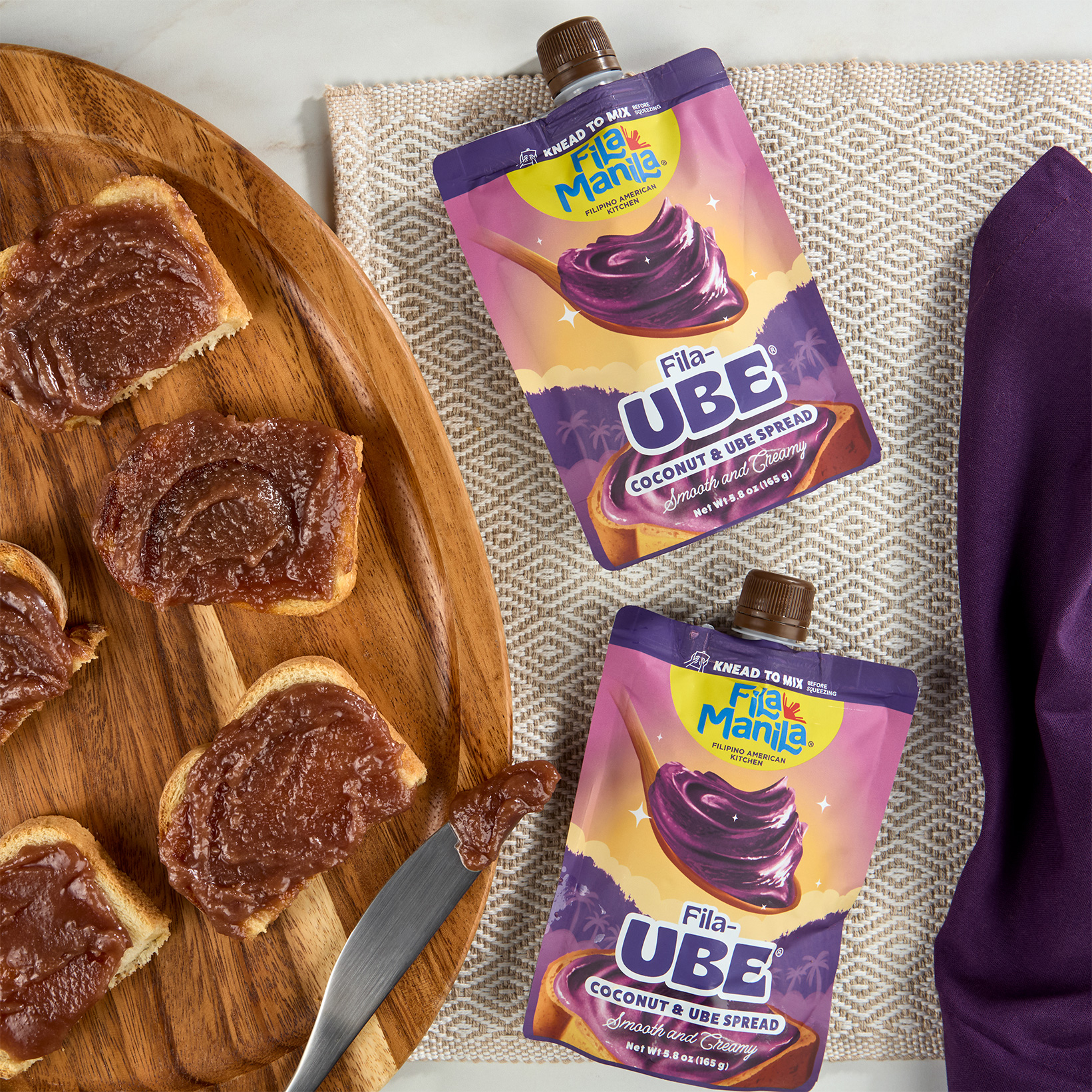
How It’s Different
Many mass-market ube jams are loaded with preservatives or artificial purple coloring to make them "pop." In contrast, Fila Manila Ube & Coconut Spread focuses on the natural goodness of the ingredient.
- No Artificial Colors: What you see is what you get. The vibrant color comes from the ube itself, not a lab. That means absolutely NO RED 3 or RED 40.
- Clean Label: You won't find high fructose corn syrup here. Fila Manila uses real ingredients like Ube Purple Yam, cane sugar, and organic coconut cream. It’s gluten-free and vegan-friendly, making it accessible to more people.
- Versatility: While traditional halaya is often thick and heavy, this version is crafted to be spreadable. It’s perfect for spreading on toast, swirling into oatmeal, or even mixing into your morning coffee for an ube latte.
.jpg?w=1000&h=1333)
Jake, a verified buyer on the Fila Manila site, shared his experience: "I've tried making halaya from scratch, and it takes hours. This jar tastes just like home but saves me all the work. I put it on everything."
By offering a product that respects the traditional flavor while cleaning up the ingredient list, Fila Manila allows anyone to experience the true taste of Filipino dessert culture without the artificial additives.
Ready to Try It?
Whether you are a longtime fan of Filipino cuisine or a curious foodie looking for your next obsession, ube offers a delicious window into a vibrant culinary culture. It’s more than just a pretty color; it’s a flavor that brings people together.
Next time you’re browsing the grocery aisle, look past the artificial purple dyes and reach for something authentic. Grab a jar of Fila Manila Ube & Coconut Spread, make some toast, and see what the hype is all about!